Key takeaways
- Photograph and video everything before you move or throw away anything.
- Make emergency repairs to stop further damage and keep every receipt. Leave permanent repairs until the insurer has inspected.
- Texas sets deadlines for insurers: 15 business days to acknowledge a claim, 15 more to decide once they have what they need, and 5 to pay after agreeing.
- This page is general information, not insurance or legal advice. Your policy and your insurer decide what is covered.
A water damage insurance claim goes more smoothly when the paperwork starts in the first hour, not the first week. This guide is a checklist built from the Texas Department of Insurance's consumer guidance, written for a homeowner standing in a wet house with a phone in hand. It will not tell you whether your loss is covered. Only your policy and your insurer can do that.
Our role: Baytown Fire and Water Restoration is a referral line that connects homeowners with independent restoration companies. We are not an insurance company, agent, adjuster or law firm, and we do not handle or negotiate claims.
What a home policy usually covers, and what it does not
The Texas Department of Insurance (TDI) summarizes it this way:
Usually covered
- Sudden and accidental water damage, such as a burst pipe, toilet overflow or broken washer hose
- Mold that develops on an item damaged by a covered water loss
Usually not covered
- Damage from gradual leaks or seepage, including the mold that results
- Flood damage. Home policies do not cover floods, and you would need a separate flood policy
- Mold cleanup and testing after the damaged item is removed, unless your insurer let you add that coverage
"Usually" is doing real work in those lists. Policies differ in their exclusions, limits and deductibles. Read the water damage and mold sections of your own policy, or ask your agent to walk you through them.
Water damage insurance claim checklist: the first day
- Stop the water. TDI's first tip is to stop the flow or leak as soon as you can.
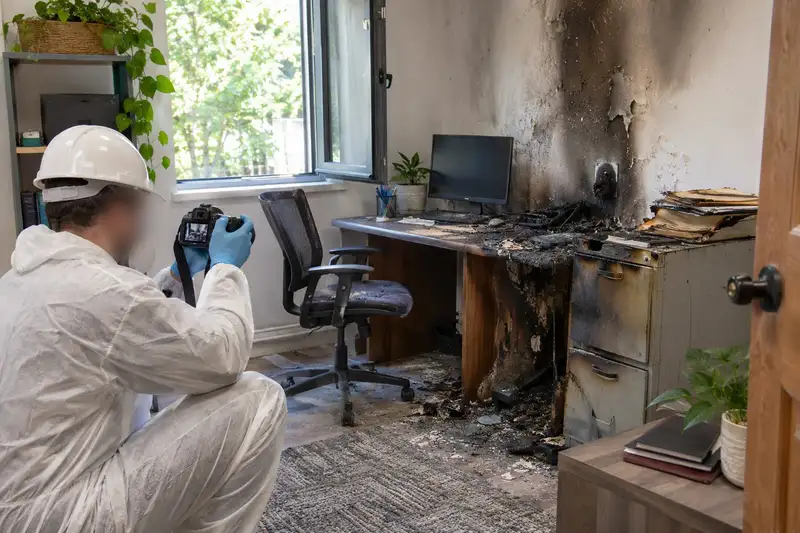
- Record the scene before touching it. Walk through with your phone recording video, then take still photos. Narrate the date and what happened.
- Report the claim. Tell your company as soon as possible. Write down the claim number, the date and time you called, and the name of everyone you speak with.
- Prevent further damage. Remove standing water, start drying, move wet items to a dry area. If you cannot do this yourself, TDI says to use a service that specializes in water damage cleanup.
- Make temporary repairs only. A tarp, a capped pipe, a boarded window. TDI advises against permanent repairs until the insurance company has seen the damage.
- Keep damaged items. Do not throw them away until the adjuster has seen them. If something must go for health reasons, photograph it thoroughly first and keep a sample of flooring or carpet.
- Start a receipts folder. Materials, equipment rental, the plumber, the restoration invoice, hotel and meals if you had to leave.
What to photograph
- The source: the split pipe, failed hose, water heater, roof opening or water line on the wall
- Each affected room from every corner, then close-ups of damaged floors, walls, ceilings, cabinets and doors
- Standing water with something for scale, such as a tape measure against the wall
- Every damaged belonging, plus model and serial number plates on appliances and electronics
- Moisture meter readings, if the restoration company takes them. Ask for copies of their daily logs
- The work in progress: wet materials being removed, the inside of opened walls, drying equipment in place
- The failed part itself. Keep it in a bag if you can
Back the files up the same day by emailing them to yourself or saving them to cloud storage.
Build an inventory
TDI recommends making a list of your damaged property. A simple spreadsheet works: item, room, brand and model, approximate age, what you paid or what it costs to replace, and a photo reference. Bank and card statements, online order histories and old photos of the room help fill gaps. It is tedious, and it is also the document that most often decides how the contents part of a claim is paid.
Questions to ask your adjuster
- Is this cause of loss covered under my policy, and which sections apply?
- What is my deductible for this claim?
- Is my coverage replacement cost or actual cash value, for the building and for contents?
- Does my policy include any mold coverage? Is there a dollar limit?
- Is temporary housing covered if the home cannot be lived in, and what is the limit?
- May I begin drying and tear-out now? Do you need to see anything before it is removed?
- Will you inspect in person or by photos and video, and when?
- What documents do you need from me, and by what date?
- If my contractor's estimate is higher than yours, what is the process for reviewing the difference?
- Will payment come to me, to my mortgage company, or to both?
Take notes during every call. TDI specifically suggests this, along with asking who to contact with follow-up questions.
Texas claim deadlines
TDI's guide to getting your insurance claim paid lists the deadlines that apply to your own insurer:
- 15 business days after you file for the company to acknowledge the claim, begin its review and ask for any information it needs.
- 15 business days after it receives what it needs from you to tell you whether it will pay. If it rejects the claim, it must say why in writing. The company can extend this by 45 days if it tells you why it needs more time.
- 5 business days to pay after it agrees to pay all or part of the claim.
TDI can extend these deadlines by 15 more days when there is a weather-related catastrophe, which is relevant after hurricanes and freezes.
How payment often works
If you have replacement cost coverage on your home, TDI explains that you might get two payments: the first for the estimated repair cost minus depreciation, and the second after repairs are done. If you have a loan on the house, the company will usually send the payment to your mortgage company, and you then work with the lender to get the money released for repairs. Your deductible is subtracted from what the insurer pays, and you owe that amount to the contractor.
About your deductible
If a contractor offers to waive your deductible, absorb it, or build it into the estimate, walk away. TDI states plainly that it is illegal for contractors to waive your deductible or help you avoid paying it, and your insurer can ask for proof that you paid it.
Working with the restoration company during a claim
- Ask for a written, itemized estimate and scope of work. Share it with your adjuster.
- Read anything you sign. Some forms authorize the contractor to bill your insurer directly, and some go further and assign your claim benefits to the contractor. Know which one you are signing.
- TDI warns against contracts that say you agree to repairs "for the value of insurance proceeds," and against signing anything with blank spaces.
- You choose your contractor. An insurer may suggest companies, but the decision is yours.
- Ask for copies of drying logs, photos and the final invoice for your records.
We go deeper on contracts and red flags in choosing a restoration company in Baytown.
Flood claims are different
Rising water from a storm or overflowing bayou falls under a flood policy, not a homeowners policy. The process, forms and deadlines are separate. FloodSmart, the National Flood Insurance Program site, explains how to start a flood claim. See also our page on flood and storm water cleanup.
If things go wrong
If you believe a claim was wrongly denied, underpaid or delayed past the deadlines, TDI's consumer help line and complaint process exist for that purpose. See get help with an insurance complaint. For disputes involving significant money or legal rights, consider speaking with a Texas attorney or a licensed public insurance adjuster.
Common questions
How long does an insurance company have to respond to a claim in Texas?
Fifteen business days to acknowledge it. According to the Texas Department of Insurance, your company has 15 business days to say it got your claim, start its review and request information, then 15 business days after receiving what it needs to accept or reject the claim, and five business days to pay once it agrees to. Extensions are allowed in some cases.
Should I wait for the adjuster before starting cleanup?
No, not for emergency work. You are expected to keep the damage from getting worse, which includes stopping the leak, removing water and starting to dry. Photograph everything first, and hold off on permanent repairs until the insurer has seen the damage. The Texas Department of Insurance advises exactly this.
Can a restoration company handle my insurance claim for me?
A contractor can document damage, share estimates and photos with your adjuster, and bill the insurer if you authorize it, but they cannot promise coverage or act as your adjuster. Negotiating a claim on your behalf for a fee is the job of a licensed public insurance adjuster in Texas. We do neither.
What if I disagree with the insurance company about the payment?
Start by calling your insurer or agent with documentation that supports your position, such as contractor estimates and photos. If that does not resolve it, the Texas Department of Insurance accepts complaints and explains other options. For legal questions, talk to an attorney.
Related pages
Sources
- Texas Department of Insurance: When are water damage and mold covered by insurance?
- Texas Department of Insurance: Getting your insurance claim paid
- Texas Department of Insurance: Can a contractor waive my deductible?
- Texas Department of Insurance: Get help with an insurance complaint
- FloodSmart: How do I start my flood claim?